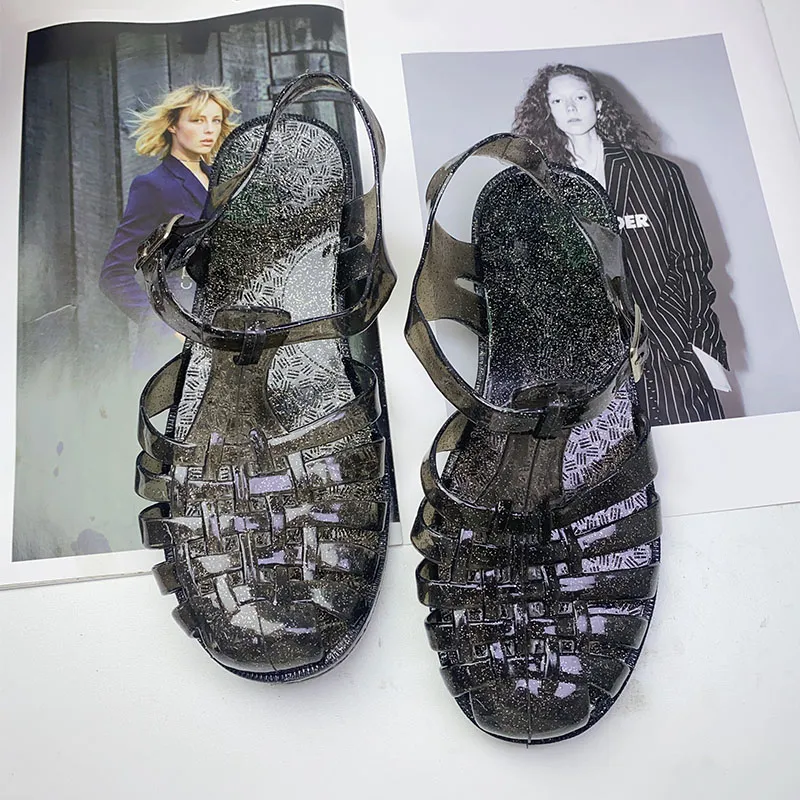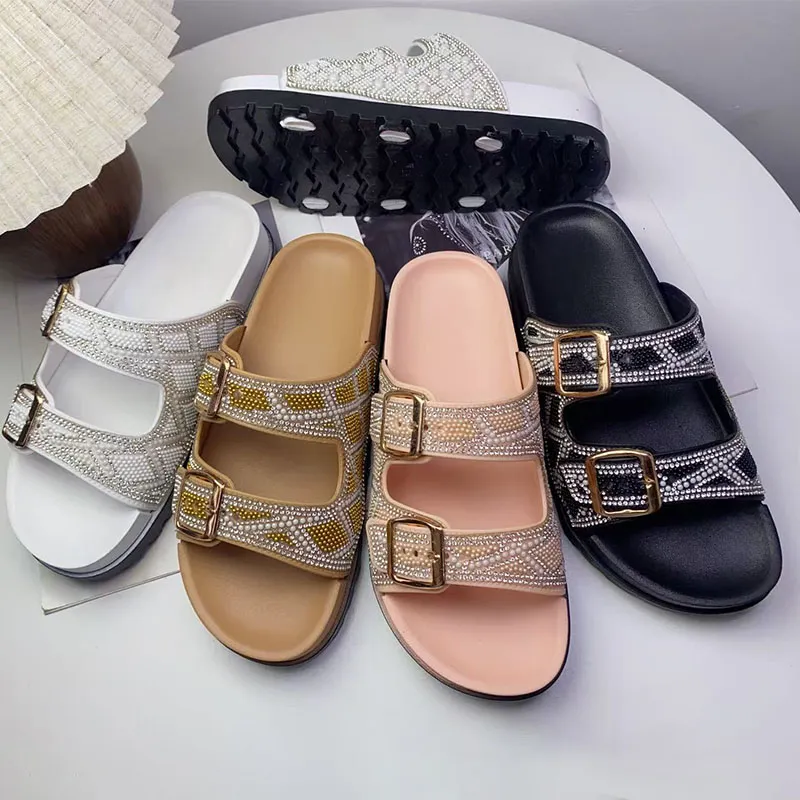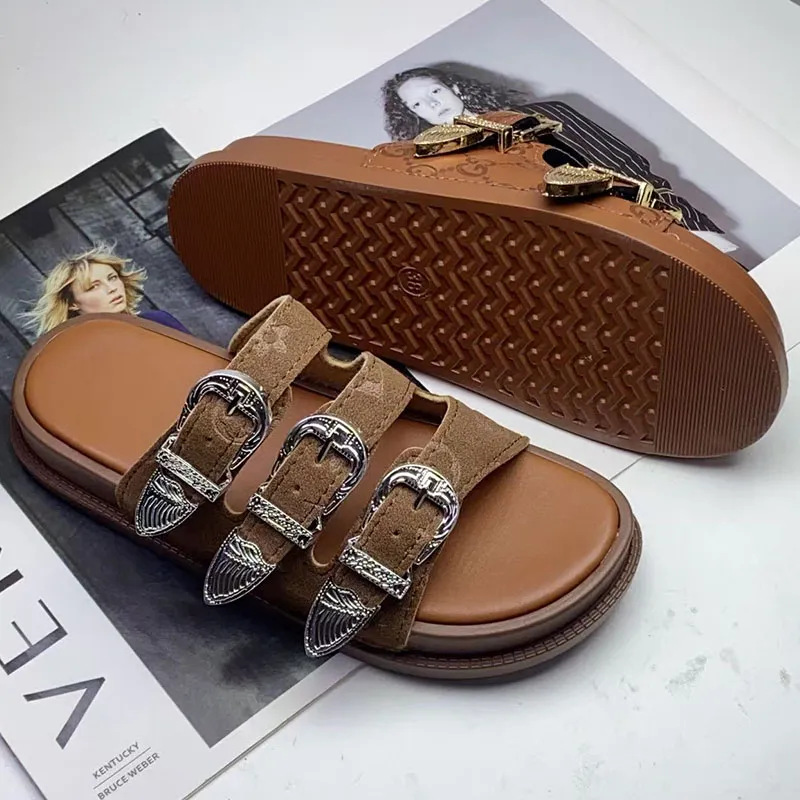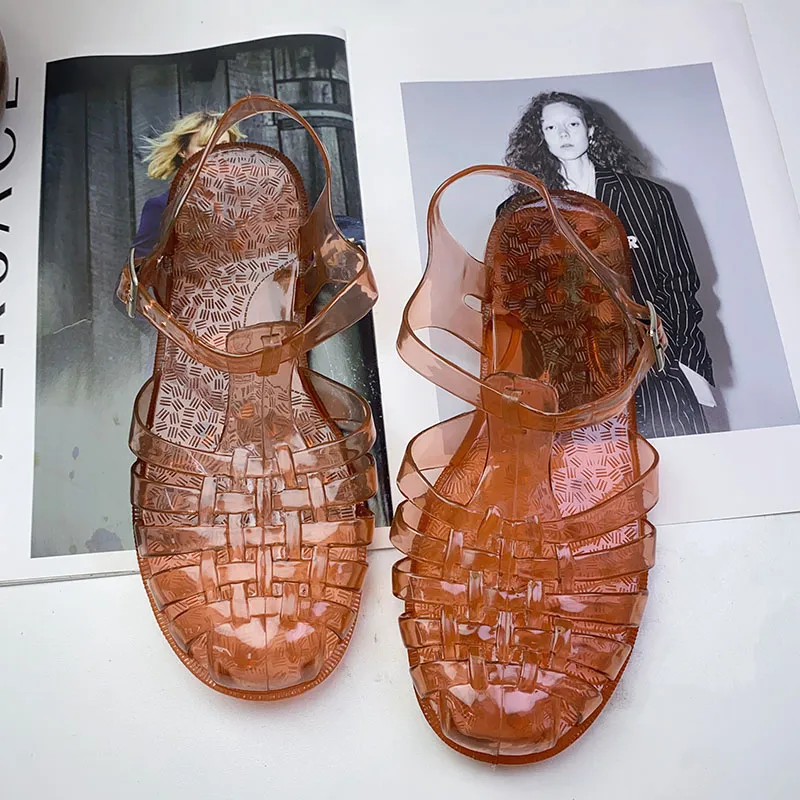

As the global Birkenstock-style footwear market hits $2.8 billion, a battle between craftsmanship heritage and data-driven innovation is reshaping the sector. German giant Birkenstock doubles down on luxury positioning, while China’s FOSA surges with localized tech, splitting consumers between "artisanal premium" and "accessible comfort," industry reports show.
Birkenstock’s latest gambit blends cultural collaboration with sustainability. Its Boro collection, launched in Q3 2025, fuses 15-layer cork footbed technology with Japan’s century-old patchwork craft, hand-sewing indigo-dyed linen onto suede uppers. Priced at €270 (
295)onNet−a−Porter,theBoston−stylesoldout40
205). The brand also expands its wellness ecosystem: 100% natural foot care products now contribute 12% of total revenue, ranking top 3 in China’s luxury wellness category. Yet supply chain constraints persist—95% of production remains in German factories, leaving 40% of Asia’s demand unmet.
China’s FOSA is exploiting that gap with data-backed innovation. The brand’s patented AIRSYS cork bed uses beeswax infiltration to extend durability from 3 to 5 years, while footbeds adjusted by 2° for Asian arches fit 98% of local users. Targeting professionals, its chef-specific model with 0.5mm arch support and seamless diabetic-friendly design captured 12% of China’s occupational footwear market. Priced at
39–
49 (a third of Birkenstock’s entry level), FOSA achieved 300% year-on-year growth, with 68% of buyers aged 25–35 drawn by endorsements from Jolin Tsai and K-pop star Jang Won-young.
Niche players are carving specialized niches too. Denmark’s Dansko secured APMA medical certification for its Peggy line, using recycled textiles and bio-based EVA to cut carbon footprint by 25%—becoming the top choice for U.S. nurses. America’s Teva merges Birkenstock’s support with outdoor functionality: its EcoElastic sandals feature Vibram soles and recycled polyester laces, dominating 60% of the
300–
600 hiking sandal segment. Even mid-tier brands join the fray: China’s Staccato adds 3% latex to cork beds for "sneaker-like comfort," with 杨幂 - endorsed styles boosting Tmall traffic by 200%.
"Sustainability is no longer optional—it’s table stakes," notes Euromonitor’s Mia Chen. Birkenstock’s recycled polyester laces and FOSA’s 0.8kg-per-pair carbon reduction both respond to consumer demand, which now ranks eco-materials second only to comfort. But the real divide is accessibility: while Birkenstock targets 15–17% annual growth via Asia-Pacific store expansions (currently 8% market share), FOSA’s 35% repurchase rate suggests a lasting challenge to the status quo.
With TikTok’s #BirkenstockStyle hitting 10 million participants and Xiaohongshu’s related content topping 1.1 billion views, the "ugly shoe" category is no longer monolithic—its future hinges on whether heritage can outpace hyper-localized innovation.